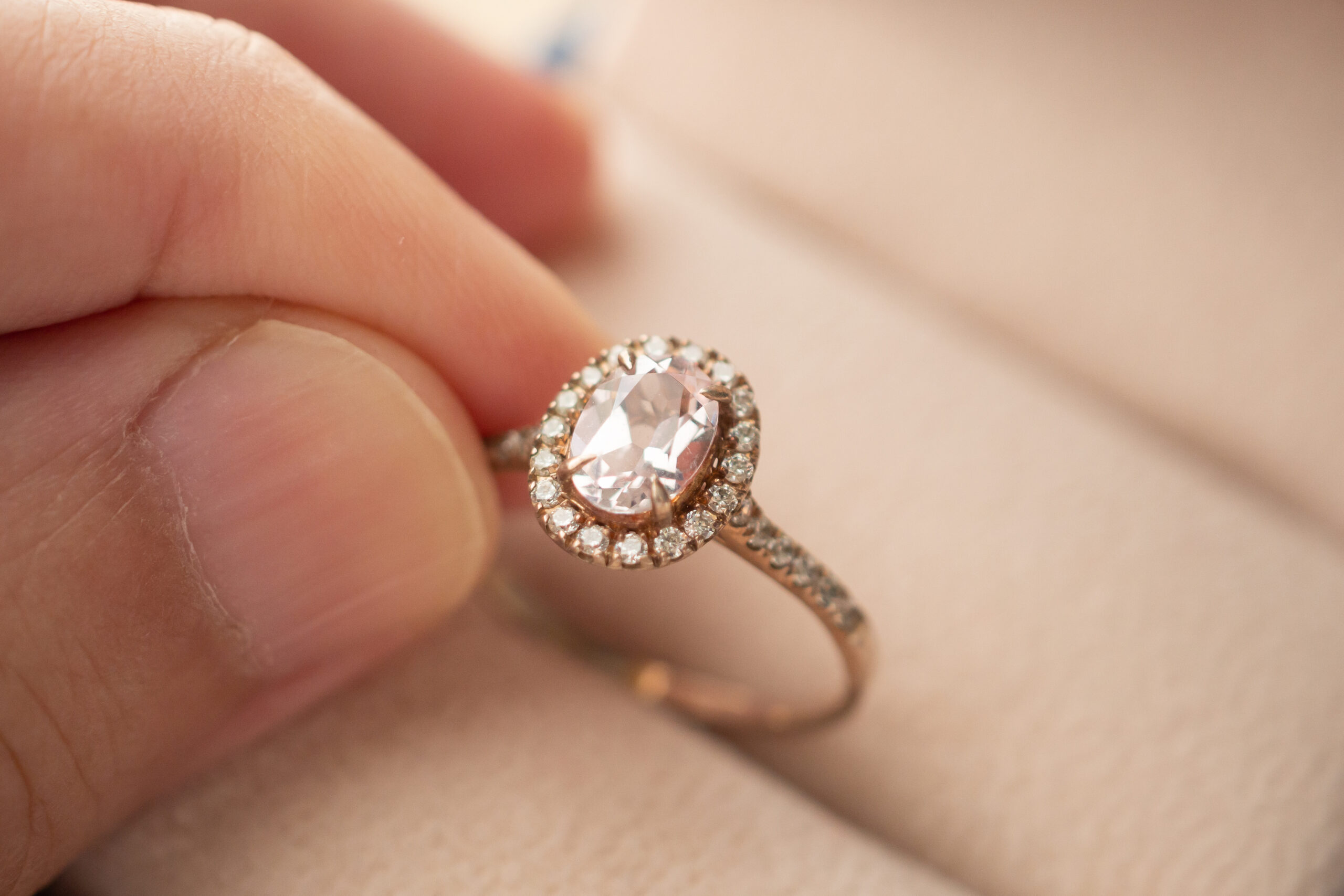
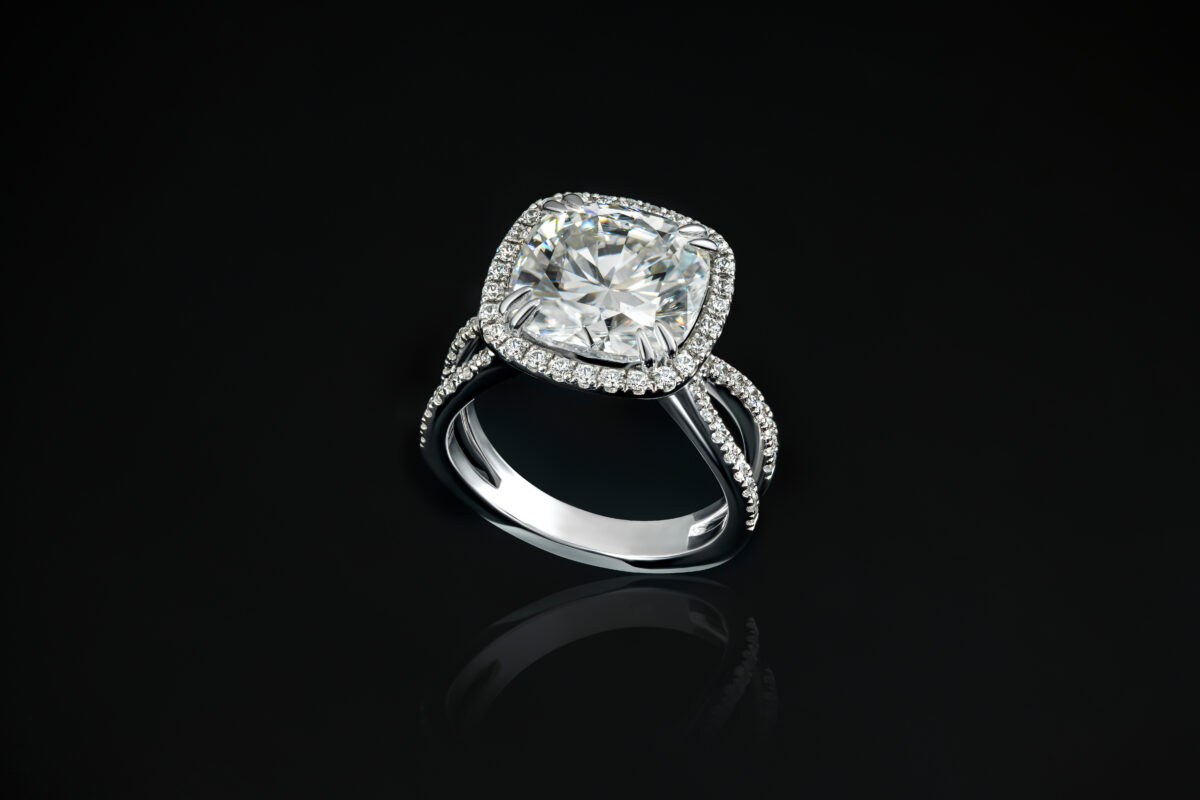
Engagement Ring Styles is one of those subjects that sounds straightforward until you actually start looking at the details. At Tailor Diamonds, we work with engagement ring styles every week, and we have learned that what separates confident decisions from confused ones is usually not information volume but information quality. This guide is designed to give you the perfect clarity you need, drawn from more than 30 years of diamond industry experience and our position among China’s largest lab-grown diamond specialists.
Whether you are new to the topic or refining an existing perspective, the following sections lay out the context, the considerations, and the practical steps we recommend. Our goal is to help you think clearly about engagement ring styles in 2026 without marketing noise or oversimplified scripts.
What Engagement Ring Styles Actually Means
When people talk about engagement ring styles, they often mean slightly different things. Some are thinking about the visual result. Some are thinking about the process of arriving at the result. Some are thinking about the technical standards that make the result possible. All three perspectives matter, and a perfect approach to engagement ring styles connects them.
In 2026, the category has become more precise because production and grading have matured. Expectations that were aspirational five years ago are now routine. Buyers benefit from this by being able to ask sharper questions and get sharper answers. It also means that working with a jeweller who understands engagement ring styles deeply is more valuable than ever, because the gap between good work and great work has become more visible.
At its core, engagement ring styles is about matching a specific outcome to a specific person. That outcome includes visible qualities such as brilliance, proportion, and finish, and invisible qualities such as durability, wearability, and long-term satisfaction. The best results consider all of these from the start rather than layering them in later.
Why Engagement Ring Styles Matters in 2026
The market context for engagement ring styles has shifted in a few concrete ways. Grading standards have become more harmonised across major laboratories. Lab-grown production has expanded the range of quality and size combinations available at different price points. Design expectations have moved toward considered craftsmanship rather than ornamental excess. All three shifts change what serious engagement ring styles looks like today.
For buyers, this matters because the consequences of good or poor engagement ring styles decisions are more visible than ever. Social media surfaces both beautiful and disappointing examples. Online comparison tools help shoppers understand value. Reviews and documentation expose quality gaps that used to be hidden. The modern engagement ring styles decision deserves a modern level of attention.
For jewellers, the same shift raises the bar. A perfect specialist in 2026 explains choices clearly, shows real work examples, and provides verifiable documentation. At Tailor Diamonds, these are not selling points. They are basic expectations we hold ourselves to in every engagement ring styles project.
Key Considerations for Engagement Ring Styles
When working with clients on engagement ring styles, we focus on a short list of factors that consistently influence the outcome. Treating these well up front is usually what separates a good engagement ring styles result from a great one.
Context. How will the piece be worn? Is it a daily object or an occasional one? Does it need to pair with other jewellery? Context shapes the technical choices that follow.
Proportion. Visual proportion is more important than raw size. A well-proportioned piece feels correct immediately and stays correct over time. Ignoring proportion is the single most common cause of engagement ring styles regret.
Finish. Polish quality, setting precision, and edge finishing reveal themselves on close inspection. These details define whether a piece feels mass-produced or genuinely crafted. For engagement ring styles, finish often matters more than headline specifications.
Documentation. Grading reports, written specifications, and after-sales terms should accompany every meaningful engagement ring styles project. Documentation is not bureaucracy. It is the foundation of confident ownership.
Common Misconceptions About Engagement Ring Styles
Misconception 1: Bigger is always better. Size without proportion produces weaker visual impact than a well-proportioned smaller alternative. This is true across virtually every engagement ring styles category we work with.
Misconception 2: You can tell quality from photos alone. Photos flatter. In-person or real-environment evaluation reveals details that studio photos hide. A perfect engagement ring styles decision benefits from direct inspection whenever possible.
Misconception 3: All retailers offer essentially the same product. Two pieces with similar listed specifications can vary widely in actual quality. The difference usually lives in cut precision, setting care, and overall finish.
Misconception 4: Custom always costs more. Well-planned custom work often matches or beats retail pricing for comparable quality because it avoids the markup layers typical of generic inventory. A disciplined engagement ring styles process controls both cost and quality.
Step-by-Step Framework for a Better Engagement Ring Styles Decision
Step 1: Clarify what success looks like
Before comparing options, articulate the outcome you actually want. Write it down if that helps. A clear target prevents decision drift when choices multiply.
Step 2: Understand the trade-offs
Every engagement ring styles decision involves trade-offs. A good specialist makes them explicit rather than hiding them. Ask about what each option gives up, not only what it delivers.
Step 3: Verify with documentation
Insist on grading reports from recognised laboratories such as GIA or IGI. These are the standard for any serious engagement ring styles project.
Step 4: Evaluate in real conditions
Review the piece under natural light, in the metal you plan to wear daily, and against real-world visual references. Studio lighting is not daily lighting.
Step 5: Plan for the long term
Consider how the piece will be cleaned, serviced, repaired, and possibly resized. A engagement ring styles decision is a long-term relationship, not a transaction.
The Tailor Diamonds Approach to Engagement Ring Styles
Our working approach to engagement ring styles reflects three decades of diamond experience. Every project begins with listening, moves through disciplined shortlisting, and ends with documentation. We prioritise honesty over upsell and precision over volume. This is how we keep engagement ring styles outcomes consistent across the wide range of clients we work with.
Our scale in the lab-grown diamond category is a practical advantage for clients. It means we can offer genuine choice without narrowing options for convenience. It also means we maintain quality control standards that would be harder for smaller operations to sustain. When these strengths come together, the result is a perfect engagement ring styles experience that feels considered from beginning to end.
Above all, we treat engagement ring styles as serious work. A ring or a piece of diamond jewellery is meaningful to the person who wears it, and that significance deserves corresponding care from the team making it.
How Lab-Grown Production Has Changed What Is Possible
The shift toward mature lab-grown diamond production has affected this category in practical ways. Buyers can now access larger or higher-grade lab-grown stones that would otherwise have been financially out of reach, which means ambitious design directions get serious consideration rather than automatic dismissal. Custom projects have become more feasible, larger centre stones no longer require painful compromises, and design language can become richer without the budget conversation stalling everything else.
Tailor Diamonds operates at the scale of a major lab-grown specialist, and that scale translates into quality discipline rather than simply inventory breadth. Clients benefit because consistency is easier to deliver when the team handles volume responsibly. Proportion, cut precision, and clarity ranges can be matched to a specific design goal rather than filled from whatever happens to be in stock. That disciplined matching is what turns a project from a decent outcome into a memorable one.
What a Perfect Outcome Really Feels Like
Clients often wonder how they will know when the project has genuinely succeeded. The answer tends to be consistent across very different commissions. The piece feels resolved in the hand. It reads correctly from every angle. No single detail dominates, yet every detail belongs. Over weeks and months of wear, the emotional response remains stable: you reach for it often, forget to worry about it, and enjoy it in ordinary moments rather than only on special occasions.
That kind of durable satisfaction is the real test of whether the decision was well made. It is why proportion, finish, and wearability matter as much as the specifications on the grading report. Specifications describe what was delivered on paper. Daily wear reveals what was actually delivered in practice, and that gap is where experience earns its value.
Fitting the Piece Into a Longer Jewellery Story
Serious buyers rarely think about a single item in isolation. They think about how it fits into a collection that will continue to grow over the years. Metal choices set expectations for future acquisitions. Design language establishes a visual identity that wedding bands, anniversary pieces, and milestone gifts can build on. Thinking this way early makes many later decisions easier, because the first piece provides a reference point rather than needing to be retrofitted into something coherent.
At Tailor Diamonds, this collection-first perspective is part of how our consultants work. We ask about existing pieces, future intentions, and personal style so that every new commission reinforces the story rather than fragmenting it. For clients who come back for wedding jewellery, anniversary gifts, or family heirloom additions, that continuity is one of the quiet reasons the relationship works well over time.
Frequently Asked Questions About Engagement Ring Styles
How long should I plan for a considered decision?
For most engagement ring styles projects, allowing at least a few weeks for proper consultation, shortlisting, and production is reasonable. Rushed decisions rarely deliver the best long-term satisfaction.
Can lab-grown diamonds match the quality expected for engagement ring styles?
Yes. Lab-grown diamonds have the carbon crystal structure, hardness, brilliance, and durability expected of fine diamond jewellery. Modern lab-grown production delivers lab-grown diamond quality for engagement ring styles with more flexibility in size and budget.
How do I know the jeweller I am working with is experienced?
Look for specific evidence rather than general claims. An experienced team will explain trade-offs clearly, show examples of real completed work, and maintain clear documentation standards throughout the engagement ring styles process.
How Engagement Ring Styles Fits Into a Broader Jewellery Collection
Serious buyers rarely think of engagement ring styles as a one-off choice. They think about how the piece fits into a collection that grows over time. A well-considered engagement ring styles decision anchors that collection and shapes future acquisitions. For couples, it often establishes a visual direction that carries through wedding bands, anniversary gifts, and milestone pieces.
Thinking this way early makes many small decisions easier later. The metal you choose for engagement ring styles often becomes the default for future pieces. The design language you settle on influences everything from earring proportion to necklace scale. Rather than treating these as separate, we encourage clients to articulate their broader jewellery direction during the engagement ring styles conversation. That way, the piece you are making today supports rather than contradicts the ones you will love tomorrow.
For Tailor Diamonds clients, this collection-first perspective is built into how we work. A engagement ring styles project is never isolated from the rest of a client’s jewellery life. Our consultants are trained to ask about existing pieces, future intentions, and personal style so that every new commission reinforces the story rather than fragmenting it.
What to Expect from a Perfect Engagement Ring Styles Specialist
Working with a specialist on engagement ring styles should feel different from browsing retail. The conversation should be honest, the documentation should be thorough, and the process should be transparent from beginning to end. A perfect specialist does not rely on pressure tactics, inflated claims, or artificial urgency. Good engagement ring styles work speaks for itself, and so should the jeweller presenting it.
You should expect clear written specifications for every piece, grading reports from recognised laboratories, and after-sales terms that are committed to in writing. You should also expect a specialist who listens more than they sell. If the conversation feels rushed or generic, that is a signal to step back and find a team better suited to the seriousness of your engagement ring styles decision.
At Tailor Diamonds, these are the standards we hold ourselves to on every single project, whether the client is new to diamonds or has worked with us for years. Consistency matters. A perfect engagement ring styles practice treats every piece as though it carries the full weight of the brand.
One More Thing Worth Remembering
A final reminder before you move ahead: the best decisions are rarely rushed, and the best jewellers are rarely difficult to talk to. If something about a engagement ring styles proposal feels unclear, pause. If something feels uncomfortable, ask. A well-prepared specialist will welcome the questions and use them to make the result stronger. Pressure is a signal to slow down, transparency is a signal you are in good hands. Trust the process, but verify the specifics along the way, because even a thoughtful recommendation deserves a second look. That kind of healthy caution is part of every responsible project.
Good jewellery is never really about the object alone. It is about the relationship between the object, the person wearing it, and the moments it accompanies. A well-handled engagement ring styles decision participates in that triangle. It should feel correct in the hand, look right in a photograph, and still feel meaningful five or ten years later. That is a high bar, but it is the bar we actively aim for at Tailor Diamonds. When every detail has been considered with care and documented with honesty, the piece has a better chance of living up to what it represents.
A Final Note on Long-Term Relationships
The most rewarding projects tend to be the ones where the jeweller-client relationship continues beyond delivery. Cleaning, maintenance, occasional resizing, and future commissions all benefit from a team that knows your pieces well. At Tailor Diamonds, many of our clients return years later for anniversary gifts or family additions, and that continuity is a quiet measure of whether the original work was worth the time we put into it. We take that responsibility seriously.
Long-term client relationships also refine our own craft. Feedback accumulates, patterns become clearer, and our sense of what actually works in daily wear sharpens over time. Clients who have lived with their pieces for five or ten years tell us things we would never learn from a one-off transaction. That input loops back into every new project we take on, including the one you might be considering today. In a subtle way, this is how a thirty-year practice keeps getting better rather than simply older.
Start Your Engagement Ring Styles Conversation with Tailor Diamonds
 IGI Certified.