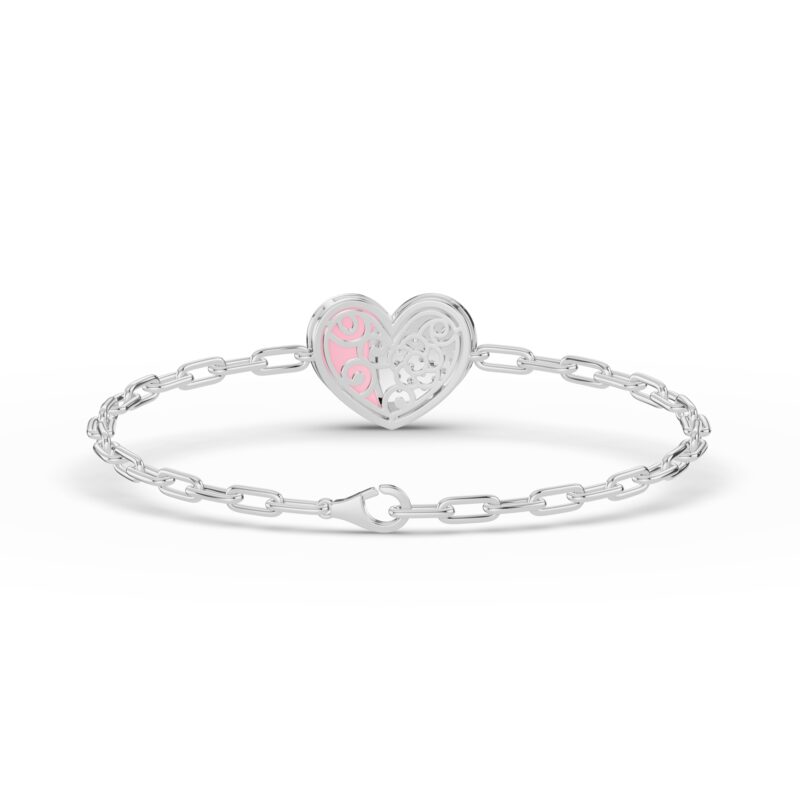
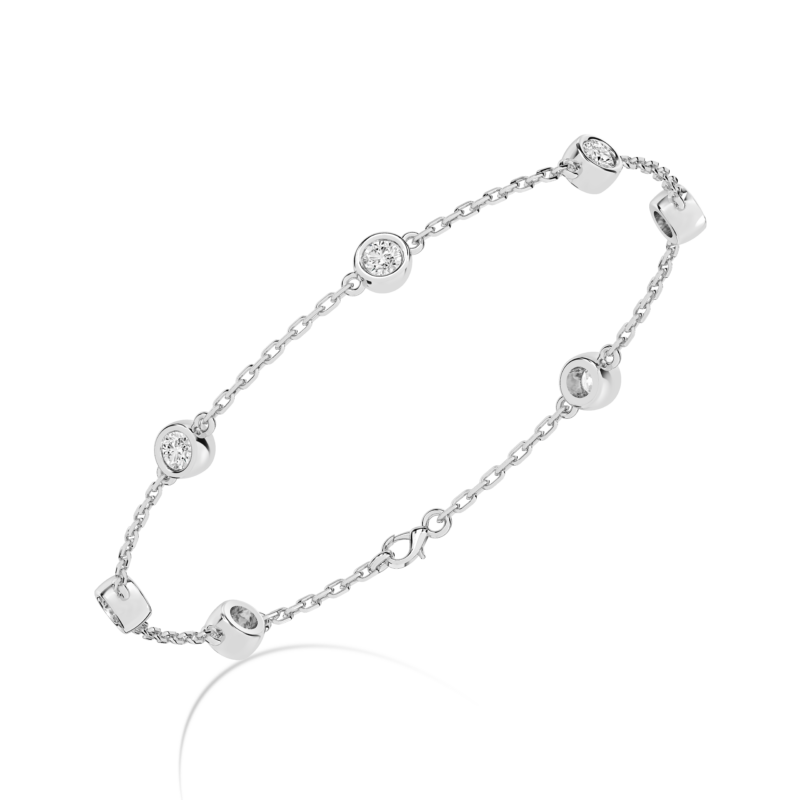
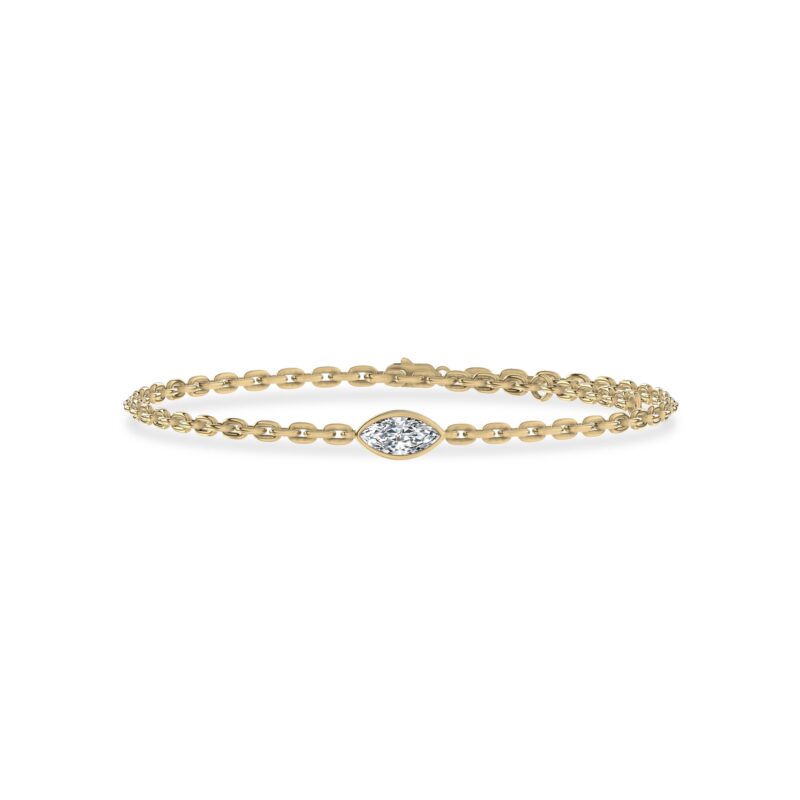
Two Carat Lab-Grown Diamond Ring matters because lab-grown diamond buyers are no longer asking only whether a stone is beautiful. They are asking whether the origin is clear, whether the report makes sense, whether the jewellery is well made, and whether the purchase fits the way they will actually wear it.
This guide is written for buyers moving into larger center stones. It focuses on face-up size, shape, clarity visibility, setting support, and comfort, then connects those details to a practical jewellery decision. That matters for EEAT quality: a useful diamond article should combine gemological accuracy, hands-on jewellery experience, transparent limits, and buyer-first advice rather than repeating vague marketing claims.
Tailor Diamonds approaches two carat lab-grown diamond ring from a working fine-jewellery perspective. The brand has more than 30 years of diamond experience behind its custom lab-grown diamond rings, bracelets, necklaces, earrings, and wedding jewellery, so the discussion below treats the diamond and the finished piece as one decision.
What Two Carat Lab-Grown Diamond Ring Means
In practical terms, two carat lab-grown diamond ring is part of purchase planning, price logic, comparison habits, and decision confidence. It should help the buyer make a clearer decision, not add another layer of confusing terminology.
The key is to connect the topic with face-up size, shape, clarity visibility, setting support, and comfort. When that connection is missing, buyers may overpay for details that do not improve the finished piece or overlook details that matter every day.
For buyers moving into larger center stones, the safest approach is to ask for evidence first and opinion second. Reports, real imagery, CAD drawings, final inspection photos, and written service policies all help turn advice into something verifiable.
Why Lab-Grown Diamond Buyers Search for This Topic
Lab-grown diamonds give buyers more access to size, shape, and design flexibility. That is a real advantage, but it also creates more comparisons and more opportunities for poor shortcuts.
A buyer may see two stones with similar carat weight and color but very different prices. Another buyer may see a beautiful video but no clear report. A third may love a setting but not know whether it can survive daily wear. Search demand comes from those real doubts.
Good content should reduce that friction. The purpose of this article is not to push one answer for every customer. It is to show how two carat lab-grown diamond ring fits into a complete, responsible lab-grown diamond purchase.
The Evidence a Buyer Should Check
Start with identity. A lab-grown diamond should be described as laboratory-grown, not hidden behind vague wording. If the purchase is significant, the report or sales document should match the stone being offered.
Next, check measurable details: shape, carat weight, measurements, color, clarity, cut information where available, polish, symmetry, fluorescence, and any report comments. These details are not equally important in every design, but they create a factual base.
Then check the jewellery itself. Setting security, metal choice, clasp strength, backing design, prong finishing, and comfort can matter as much as the diamond specification once the piece is worn.
China Production and Supply Chain Context
Many lab-grown diamond supply chains are international, and China is one of the important manufacturing and sourcing contexts buyers may hear about. The practical standard remains the same: verify the report, inspect the real jewellery, and choose a seller that can explain origin, process, and service clearly.
A responsible seller should avoid making unsupported claims about a stone's source, environmental impact, or factory process. If the supply chain is relevant to the purchase, the explanation should be specific enough to help the buyer understand what is known and what is not known.
For custom jewellery, China-related manufacturing strength can include CAD speed, casting capacity, stone setting, polishing, and quality control. The buyer benefit appears only when the brand controls specifications, documentation, communication, and after-sales service.
How Tailor Diamonds Would Review the Decision
Tailor Diamonds would begin by asking what the customer is trying to achieve: a daily engagement ring, a gift, a bracelet, a pendant, a wedding band, or a piece that carries family meaning. The right answer for two carat lab-grown diamond ring depends on that context.
For a ring, the review would include face-up appearance, hand proportion, setting height, prong security, resizing options, and the way the metal affects the diamond visually. For earrings or bracelets, matching, weight, clasp or backing security, and serviceability become more important.
The standard is not simply to choose the most expensive option. The standard is to choose the option that remains logical after the buyer has seen the report, the image, the design detail, and the service terms together.
Common Mistakes to Avoid
Do not treat a single number as the whole decision. Carat weight, price, color, clarity, and score-style labels each explain part of the picture, but none of them proves that a finished piece will feel right.
Do not accept unclear origin language. Lab-grown diamonds should be identified transparently, and simulants such as moissanite or cubic zirconia should never be described in a way that creates confusion.
Do not ignore after-sales service. Fine jewellery needs cleaning, inspection, possible resizing, and occasional repair. A purchase with clear service support is usually stronger than a cheaper purchase with no accountable process.
Two Carat Lab-Grown Diamond Ring Buying Checklist
Confirm that the seller can explain two carat lab-grown diamond ring in plain language and relate it to your exact jewellery design.
Ask for the grading report, report number, laser inscription detail, or written specification when relevant.
Review real product imagery or production photos rather than relying only on generic mockups.
Check whether the category, shape, setting, metal, clasp, backing, or chain detail matches your lifestyle.
Save reports, receipts, order confirmations, CAD approvals, final photos, and service records together.
Prefer transparent claims over dramatic claims, especially around origin, sustainability, manufacturing, and value.
Final Guidance on Two Carat Lab-Grown Diamond Ring
The best answer to two carat lab-grown diamond ring is the one that remains clear after the purchase excitement fades. A strong lab-grown diamond decision should still make sense when you look at the report, the real jewellery, the price, the service policy, and the way the piece fits your life.
For Tailor Diamonds, the goal is not to make every buyer choose the same stone or the same design. The goal is to help each buyer choose with evidence, proportion, transparent language, and a clear plan for long-term ownership.
Experience-Based Example
A typical Tailor Diamonds conversation around two carat lab-grown diamond ring starts with a couple deciding whether to spend more on size, cut quality, setting craftsmanship, or long-term service support. That conversation is useful because it moves the buyer from abstract diamond language into the reality of a finished piece.
In practice, the strongest recommendations are the ones a customer can explain again later. They know why the stone was selected, why the setting was built that way, which documents support the purchase, and how the jewellery should be cared for. That is the difference between a sales answer and an experience-led answer.
This is also why the brand avoids one-size-fits-all claims. Lab-grown diamond buying can be excellent value, but the best result still depends on selection, craftsmanship, communication, and maintenance.
Quick SEO and Buyer Summary
Primary keyword: two carat lab-grown diamond ring.
Search intent: buyers moving into larger center stones.
Main decision: face-up size, shape, clarity visibility, setting support, and comfort.
Trust signal: use grading documents, transparent origin language, real imagery, and accountable after-sales service.
Best next step: compare the diamond, the setting, and the service terms together before ordering.
Frequently Asked Questions
Is two carat lab-grown diamond ring important for every lab-grown diamond buyer?
It is important when it changes the real purchase decision. The buyer should connect two carat lab-grown diamond ring with appearance, documentation, setting quality, budget, and daily wear rather than treating it as a standalone phrase.
Should I choose a lab-grown diamond only by the grading report?
No. A grading report is essential evidence, but it does not replace visual review, design context, craftsmanship, warranty, and communication from the jeweller.
How do I avoid confusing lab-grown diamonds with simulants?
Look for clear disclosure. A lab-grown diamond should be identified as laboratory-grown diamond. Simulants such as moissanite or cubic zirconia should be named separately, not described in a way that blurs the difference.
Can China-made lab-grown diamond jewellery be high quality?
Yes, but quality is not guaranteed by geography alone. The result depends on stone selection, grading, design control, manufacturing standards, final inspection, and after-sales accountability.
A practical Tailor Diamonds guide to lab-grown diamond jewellery care kit, covering lab-grown diamond evidence, buying checks, China production context, and long-term jewellery confidence.
A practical Tailor Diamonds guide to lab-grown diamond jewellery appraisal, covering lab-grown diamond evidence, buying checks, China production context, and long-term jewellery confidence.
A practical Tailor Diamonds guide to photograph lab-grown diamond jewellery, covering lab-grown diamond evidence, buying checks, China production context, and long-term jewellery confidence.
A practical Tailor Diamonds guide to lab-grown diamond jewellery care myths, covering lab-grown diamond evidence, buying checks, China production context, and long-term jewellery confidence.
A practical Tailor Diamonds guide to lab-grown diamond jewellery repair, covering lab-grown diamond evidence, buying checks, China production context, and long-term jewellery confidence.
A practical Tailor Diamonds guide to lab-grown diamond ring resizing after proposal, covering lab-grown diamond evidence, buying checks, China production context, and long-term jewellery confidence.
A practical Tailor Diamonds guide to lab-grown diamond necklace care, covering lab-grown diamond evidence, buying checks, China production context, and long-term jewellery confidence.
A practical Tailor Diamonds guide to passing down lab-grown diamond jewellery, covering lab-grown diamond evidence, buying checks, China production context, and long-term jewellery confidence.
A practical Tailor Diamonds guide to lab-grown diamond bracelet care, covering lab-grown diamond evidence, buying checks, China production context, and long-term jewellery confidence.
A practical Tailor Diamonds guide to engraving lab-grown diamond rings, covering lab-grown diamond evidence, buying checks, China production context, and long-term jewellery confidence.
A practical Tailor Diamonds guide to lab-grown diamond anniversary gift meaning, covering lab-grown diamond evidence, buying checks, China production context, and long-term jewellery confidence.
A practical Tailor Diamonds guide to travelling with lab-grown diamond jewellery, covering lab-grown diamond evidence, buying checks, China production context, and long-term jewellery confidence.
 IGI Certified.